Describe the difficult areas
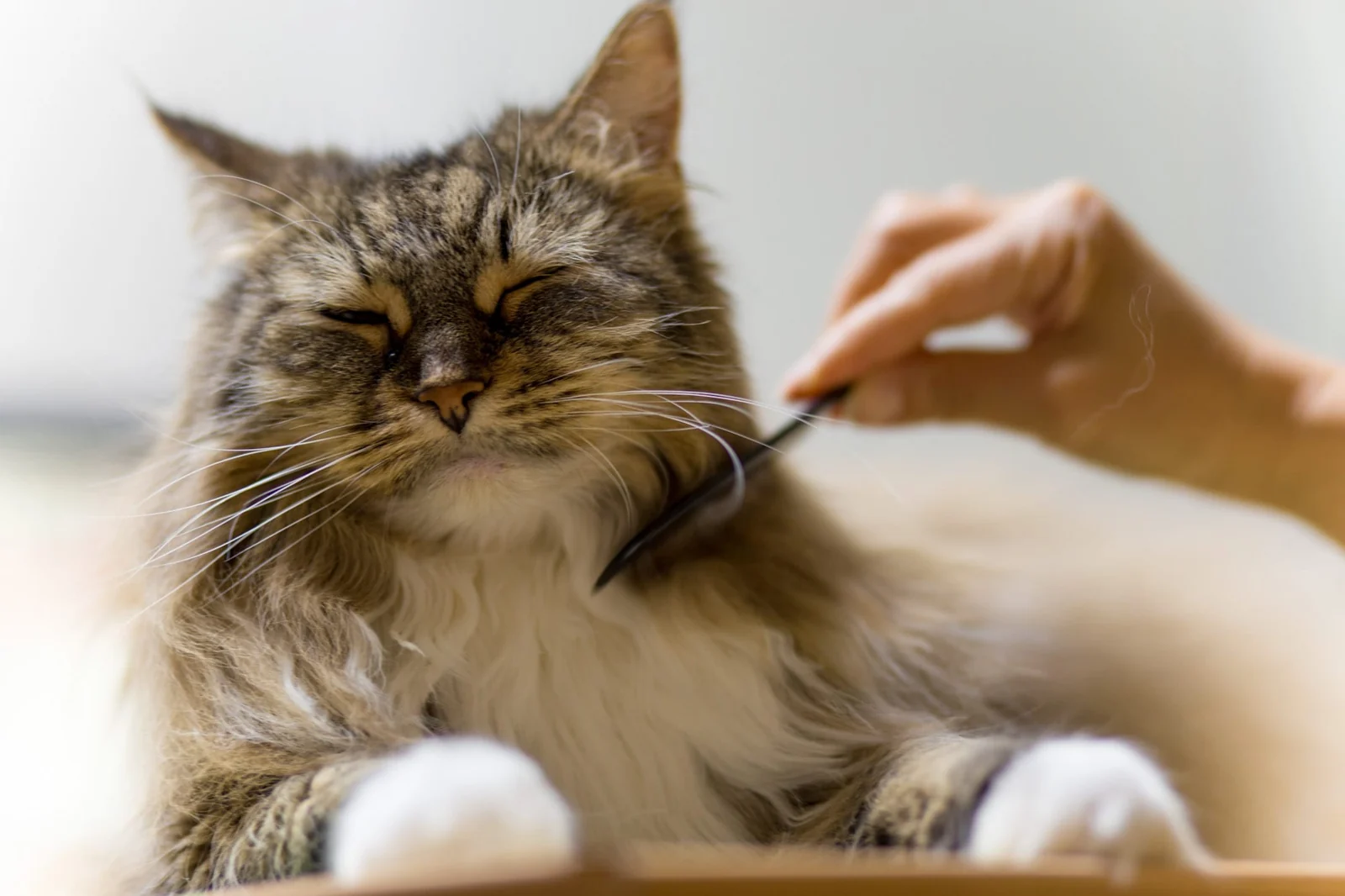
Tell the professional where brushing becomes awkward and whether the coat catches or pulls. A general statement that the cat is fluffy gives little detail. Mention changes since the last groom so the team understands the current situation rather than an old photograph.
Focus on comfort before appearance
If the coat is tangled or the cat dislikes handling, discuss that before choosing a style. The professional may need to review the situation before agreeing to a finish. A desired look should not become a reason to continue work that causes distress.
Ask for a manageable routine
Get an explanation of the areas that need attention and the tools you can use confidently. Keep home sessions within the cat’s tolerance and seek help for difficult coat work. A useful routine is one the household can maintain consistently, rather than an ambitious plan abandoned after one attempt.
Keep notes for the next visit
Record which finish was manageable and what became difficult first. Share those observations when rebooking. They give the groomer something concrete to work with and may improve the next brief more than simply asking to repeat the same haircut.
Following up on a long-haired cat’s routine
An owner finds that certain coat areas are difficult despite the surface looking smooth. They describe those areas, the cat’s response and the home routine, rather than asking only for a fluffy finish. The professional can discuss an appropriate service and the follow-up. If discomfort or a health concern is present, veterinary advice takes priority. The owner keeps a note of the manageable routine afterwards so the next discussion is based on actual experience rather than an unchanged style request.
A question worth asking
Does a smooth-looking surface mean the coat is easy underneath?
Appearance alone does not describe the whole coat. Explain resistance, tangles or difficult areas to the professional. If there is discomfort, stop the difficult work and ask for appropriate advice instead of treating the surface photograph as the full assessment.
If you are unsure whether a problem is coat-related or involves discomfort, ask your veterinarian. The purpose of an online guide is to help you describe the situation and organise professional help. It is not a substitute for examining a cat that is painful, unusually sensitive or difficult to handle safely.
This guide supports a grooming conversation. For pain, illness, skin concerns or treatment questions, speak with your veterinarian.