
Look at the image’s purpose
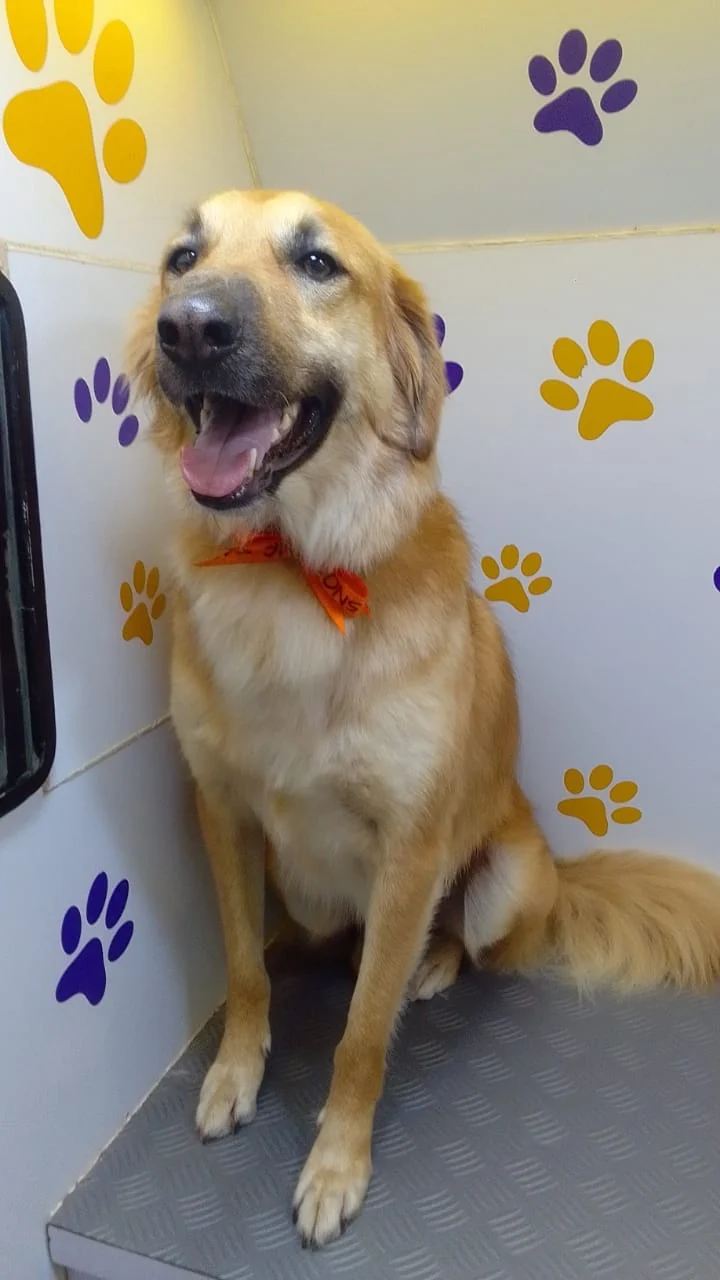
A service illustration may show the type of task, while a gallery photo may document an individual pet after a visit. Neither automatically promises an identical outcome. Ask about the actual service instead of assuming every image is a before-and-after example or a customer case.
Use references selectively
Choose a reference because it explains a detail you like. Name that detail in the booking message and include a current photo of your pet. This is more useful than asking for the whole image without considering coat texture, length or condition.
Avoid reading care quality from styling alone
A polished photograph cannot show every part of the appointment or the pet’s experience. Ask the provider about its service and communication. Use images to understand the look and setting, while keeping practical care questions in the conversation.
Keep your own record clear
When you save a photo after grooming, note what service was done and what worked well. Use it as a reference for future discussions rather than a permanent demand for the exact same result. The current coat still needs attention.
A reference image used for its proper purpose
An owner sees a styling image that illustrates bathing and a real pet photograph showing a finish they like. They understand that the images serve different purposes and send the relevant reference with a current photo of their own pet. The team can discuss the desired detail without treating every website image as a documented customer transformation. This keeps imagery useful for communication while leaving practical care, coat condition and service scope to the appointment discussion.
A question worth asking
Should I assume every service image shows a customer result?
Read the caption and context. A service illustration can explain the task, while a gallery image may show a supplied pet photograph. Neither should be treated as a guarantee of the same finish or experience for another animal.
Use the pet and van photographs to explore the service setting and examples of individual coats. Read captions and page context, then ask the team about the care you want. A useful reference helps explain a preference while the current pet and coat remain central to the appointment discussion.
This guide supports a grooming conversation. For pain, illness, skin concerns or treatment questions, speak with your veterinarian.