
Describe the recent routine
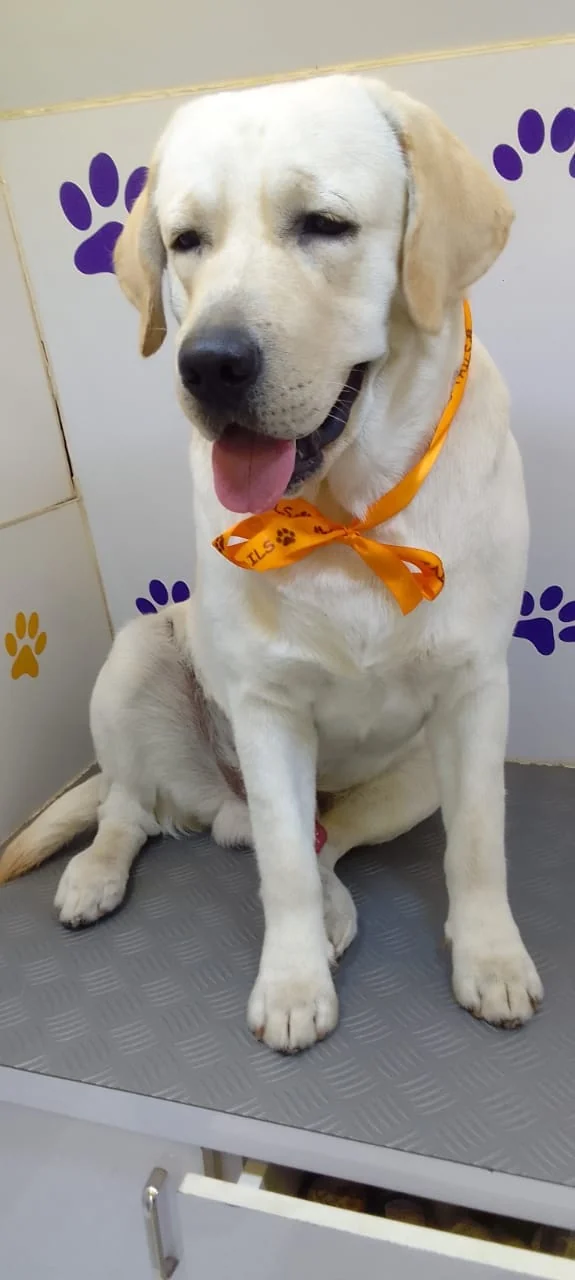
Tell the groomer when the pet was last groomed and how brushing has been going. Mention areas that become tangled or hard to keep clean. A recent photograph can explain current length, but it should support your description rather than replace it.
Explain handling preferences
Share previous reactions to brushing, water, paw handling and dryer noise. Tell the team if a previous appointment could not be completed. This information is important for discussing suitability; hiding it to secure a booking makes the appointment harder to plan honestly.
Mention relevant instructions
Pass on veterinary advice that affects products, movement or handling, and tell the team about known reactions. Do not ask a groomer to diagnose a new skin or ear problem. If something unusual has appeared, ask your veterinarian about the right next step before proceeding.
Separate must-haves from preferences
Say which parts of the finish matter most and what you are flexible about. A shorter body with natural ears is clearer than asking for a cute cut. Agree any major change from the reference before grooming starts.
A short brief that answers real questions
An owner’s message says the dog enjoys gentle brushing, dislikes having its feet handled and last had a body haircut several weeks ago. It includes a current coat photo and a preference to keep the ears natural. This gives the team information it can use. By contrast, saying the dog needs everything and is usually fine leaves important details unclear. The useful brief combines observed behaviour with the desired work, and lets the professional ask follow-up questions before confirming.
A question worth asking
How long should my grooming brief be?
A few accurate sentences can be enough: the pet, current coat, requested finish and relevant handling or product information. Add photographs where useful. Clear observations are more helpful than a lengthy message filled with guesses about what the service should involve.
Keep the brief in a message so the essential information does not depend on a hurried conversation at arrival. Include only details relevant to care and the appointment. The aim is a shared understanding, not a script that prevents the groomer from raising a concern when the actual coat or the pet’s response needs a different discussion.
This guide supports a grooming conversation. For pain, illness, skin concerns or treatment questions, speak with your veterinarian.