
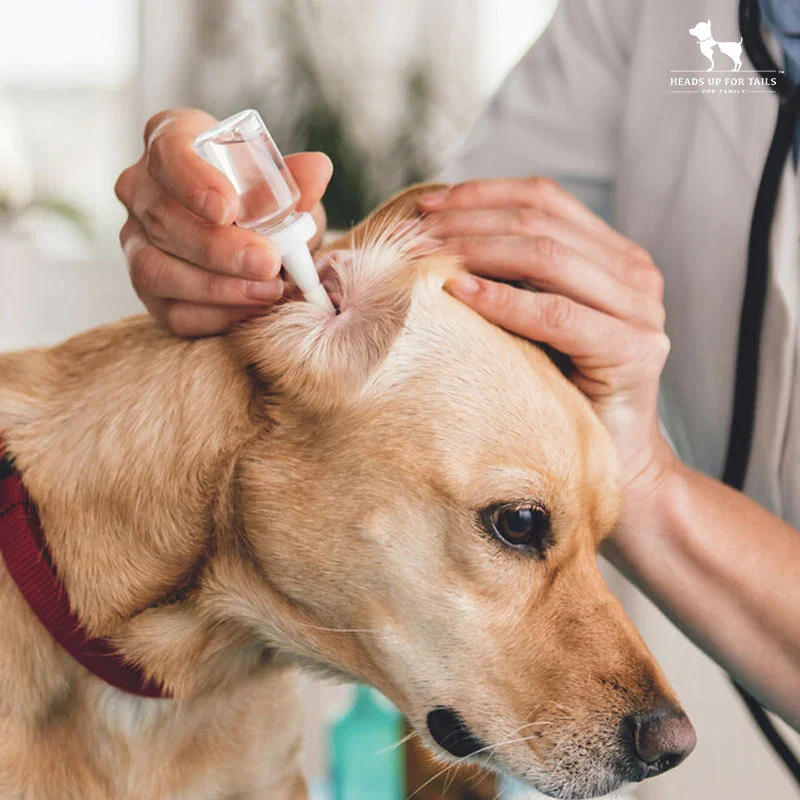
Notice what has changed
Record what you observed and when, such as a new reluctance to be touched or a coat change. Use ordinary descriptions rather than trying to diagnose the cause. This gives a veterinarian more useful information than a treatment label selected from a grooming menu.
Pause the cosmetic plan when needed
If the pet appears painful, unwell or unusually distressed, seek veterinary advice about the next step. The requested haircut does not take priority over an appropriate assessment. Tell the grooming team before the appointment so it can discuss the arrangement honestly.
Pass instructions accurately
If the veterinarian gives advice that affects grooming, share it with the team. Do not shorten it into a vague assurance that everything is fine. Ask about any uncertainty before products or handling choices are agreed.
Keep observations distinct from diagnosis
A groomer may notice something and recommend veterinary review. Ask for a clear description of the observation and contact the appropriate professional. Treat it as useful information for follow-up rather than a confirmed diagnosis from the appointment.
A change in handling before a repeat groom
A regular customer notices the dog is newly reluctant to have one area touched. Instead of sending the usual booking request unchanged, the owner describes the observation and seeks veterinary advice. The grooming team is informed before the visit. This allows the service discussion to reflect new information and any relevant instructions. The earlier successful groom remains useful history, but it is not treated as proof that an unexplained change can be ignored or handled by choosing a larger package.
A question worth asking
What should I tell the team after seeking veterinary advice?
Share the instructions relevant to products, handling or whether grooming should proceed. Be accurate about what the veterinarian said and ask about uncertainty. The team needs the current guidance, not a vague statement that everything is fine.
A useful conversation keeps responsibilities clear: the owner explains the history, the groomer explains the service and the veterinarian assesses health concerns. This avoids both extremes of ignoring a change and trying to turn a grooming appointment into treatment. The result is a better-informed decision about when and how the next groom should proceed.
This guide supports a grooming conversation. For pain, illness, skin concerns or treatment questions, speak with your veterinarian.